
February 14, 2025 15:09
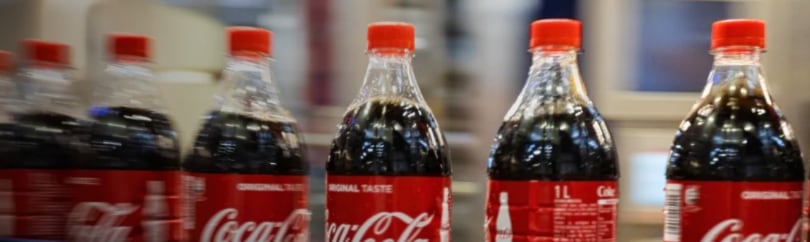 The 25%—or even 50%—tariffs on aluminum imports to the United States, announced by the Trump administration, could drive up PET consumption, encouraging a transition from cans to plastic bottles.
This is more than just speculation. During the presentation of quarterly financial results, Coca-Cola CEO James Quincey stated that if aluminum cans become more expensive, the Atlanta-based company might place "greater emphasis" on PET bottles, which already account for nearly 50% of its container sales.
However, he added that the tariffs' impact on packaging is unlikely to significantly affect Coca-Cola, as packaging is only a small part of the company's total costs.
While Coca-Cola, due to its global presence, is well positioned to withstand these changes, smaller beverage companies with a stronger domestic footprint in the U.S. might be more inclined to switch from metal to plastic, which remains a cost-effective alternative.
At the end of last year, Coca-Cola announced a revision of its environmental targets for 2035. Regarding packaging, it committed to using 35% to 40% recycled materials in primary packaging (plastic, glass, aluminum), with a goal of reaching 30% to 35% recycled plastic globally. Additionally, the company aims to collect 70% to 75% of the bottles and cans it puts on the market.
© Polimerica - Reproduction prohibited, all rights reserved
