
September 6, 2024 16:32
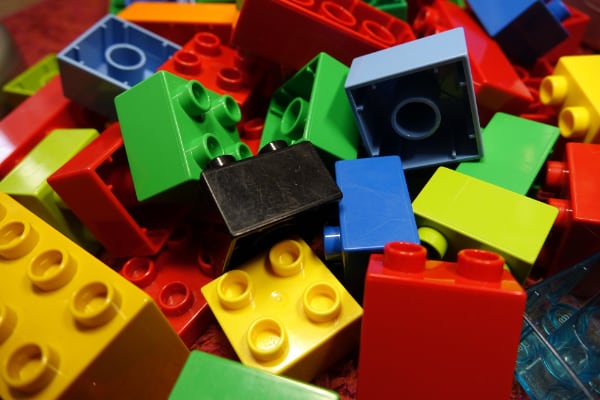 During the presentation of its financial results for the first half of 2024, the Danish Lego Group also provided insights into the use of more sustainable materials in the production of its popular building bricks and other toys.
In the first six months of the year, 30% of the ABS purchased to produce the bricks came from renewable or recycled raw materials, with attribution through a certified mass-balance approach.
Once converted into the final product, the average percentage of renewable or recycled raw materials reaches 22%.
This marks a significant increase compared to 2023, when the mass-balance material percentages were 18% and 12%, respectively. In the short term, the Danish group aims to source more than half of its raw materials from sustainable sources, still attributed through mass balance, thereby reducing the use of fossil feedstock.
The accounting for the mass balance and traceability of bio-attributed materials is managed through dedicated software, MassBalancer, which simplifies operations and helps overcome ISCC audits.
During 2024, the used-brick collection program (Lego Replay) was also extended to the UK after a long trial in the United States.
As for financial results, in the first half of 2024, the group recorded revenues of 31 billion Danish kroner, up 13% compared to the same period in 2023, with a record operating margin of 8.1 billion kroner, up 26%, and a profit of 6 billion, up 16%.
Expansion projects continue as well. A new European distribution center was opened in Belgium, and construction work on new plants in Vietnam and the United States is ongoing, with openings scheduled for 2025 and 2027.
Capacity expansion programs are also underway at existing factories in Mexico, Hungary, and China.
© Polimerica - Reproduction prohibited, all rights reserved
