
September 30, 2025 16:25
 BASF, Porsche and BEST — Bioenergy and Sustainable Technologies have successfully completed a pilot project on chemical recycling of mixed waste streams from end-of-life vehicle shredding, demonstrating that materials previously only suitable for thermal recovery (plastic, films, coatings and foams) can instead be recovered and reintroduced to the automotive value chain.
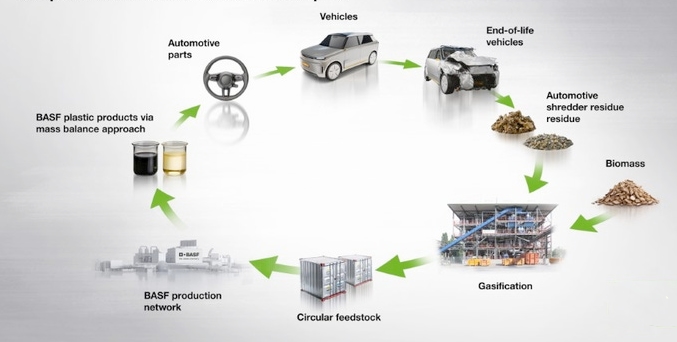
The trial shows that automotive shredder residues (ASR) can be processed by gasification, a form of chemical recycling, to produce synthesis gas that serves as an alternative feedstock to fossil raw materials for manufacturing new plastics used in vehicles.
In the joint project, the chemically recycled material — attributed via a certified mass balance approach — was used to produce polyurethane steering wheels (pictured). BEST’s gasification technology, designed to convert plastic waste and other residues at high temperature into synthesis gas, was deployed for the conversion.
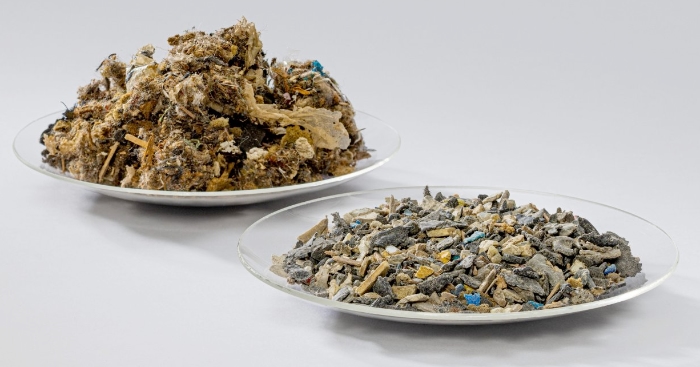 “In our plant, we have previously converted biomass such as wood or straw into chemical raw materials. In this pilot project together with BASF and Porsche, we have now used this gasification technology for the first time to convert complex plastic waste streams together with biomass into synthetic crude oil, known as syncrude,” explains Matthias Kuba, area manager syngas platform technologies at BEST - Bioenergy and Sustainable Technologies GmbH in Vienna. “This form of chemical recycling has great potential for converting complex, mixed waste streams into new, valuable raw materials. It thus represents a sensible alternative to waste incineration.”
 Porsche welcomed the results and highlighted the pilot’s role in advancing its circular-economy ambitions. “Pilot projects like these allow us to evaluate how we can further develop the circular economy as a sustainability field at Porsche and how we can anchor chemical recycling in our strategy in the long term,” says Robert Kallenberg, head of sustainability at Porsche AG. “We are testing new recycling technologies with our direct partners in order to increase recyclate quotas, gain access to previously unusable recyclate sources and evaluate new processes for waste streams that are currently being thermally utilized.”
BASF underlines that chemical recycling complements mechanical recycling and can process plastic waste streams that are technically or economically unsuitable for mechanical routes. “To optimally utilize the various waste recovery options and further develop all technologies in parallel, the appropriate regulatory framework is essential,” says Martin Jung, president of BASF’s Performance Materials division.
© Polimerica - Reproduction prohibited, all rights reserved
