
October 16, 2024 16:04
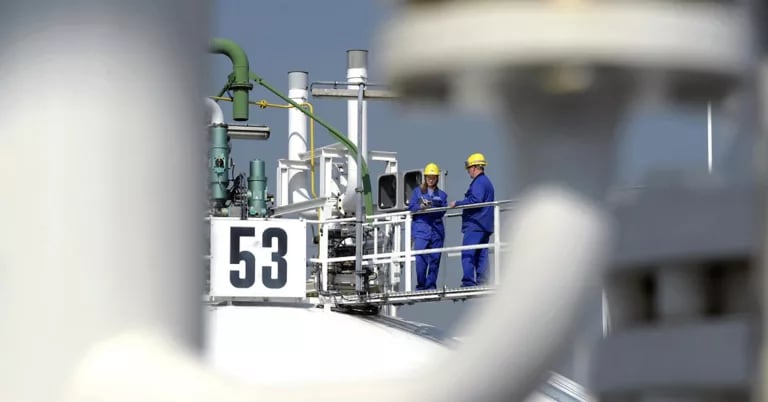 As part of its decarbonization efforts, the chemical giant BASF has received approval and a €310 million grant from the German government to construct what will be the largest heat pump ever built, located in Ludwigshafen.
The goal is to harness the waste heat from the site's steam cracker to generate up to 500,000 tons of steam annually.
Powered by renewable electricity, the heat pump will produce CO2-free steam, significantly reducing greenhouse gas emissions at the German site by up to 100,000 tons per year.
Construction will begin next year, with plans to start operations by 2027.
The waste heat, which is used as a thermal energy source, is generated during the cooling and cleaning of process gases in one of the two steam crackers at the site. Powered by electricity from renewable energy, CO2-free steam is thus generated, and most of this steam is to be used in the production of formic acid. A smaller proportion of the CO2-free steam is supplied to other BASF production plants via the steam network at the site.
In the past year, about 14 million metric tons of steam were used in Ludwigshafen. Through heat recovery from production facilities, BASF already meets half of the steam demand at its main site using a low-carbon process. The remaining 50 percent is currently generated by gas and steam power plants.
"Electrifying steam generation is a crucial step towards generating the energy we so urgently need in the chemical industry in a more sustainable way. Our integrated Production Verbund is ideally suited to implementing and scaling up new technologies, such as the planned heat pump, on an industrial scale," commented Markus Kamieth, the group's CEO. "The planned plant will be the first of its kind to be used for steam generation, there are no comparable industrial pilot projects anywhere in the world."
© Polimerica - Reproduction prohibited, all rights reserved
