
November 21, 2025 16:13
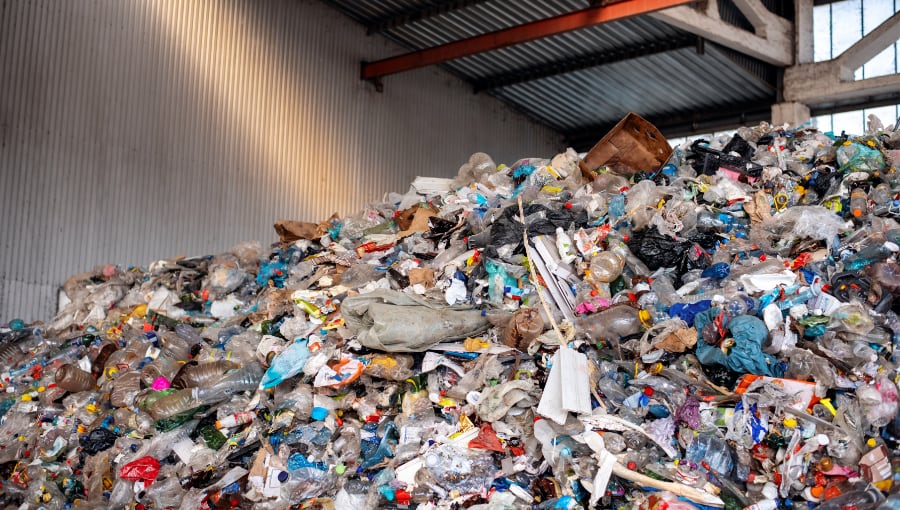 When industrial demand for recycled materials dries up, compounders look elsewhere, recyclers stop buying sorted plastic bales, storage and sorting centers overflow, and—at the very end of the chain—separate collection begins to collapse.
That’s when citizens realize something is wrong and politicians are forced to step in.
This is precisely what is happening in Italy. The national system for the separate collection and management of plastic packaging waste—run by supply-chain consortia within the Conai framework, along with a handful of autonomous EPR schemes—once operated smoothly. It no longer does.
Recyclers, who had warned for months that the economic picture was deteriorating, have now begun to halt operations at plants, citing weak downstream demand for recycled material, soaring energy costs and underpriced imports from Asia. It’s a difficult situation—one facing not only Italians but recyclers across Europe, as shown by the wave of facility closures in recent months.
In southern Italy, the crisis erupted earlier due to weaker infrastructure: fewer storage, sorting and recycling centers, and a lack of waste-to-energy plants. But in reality, the crisis threatens the entire country—and potentially Europe as a whole.
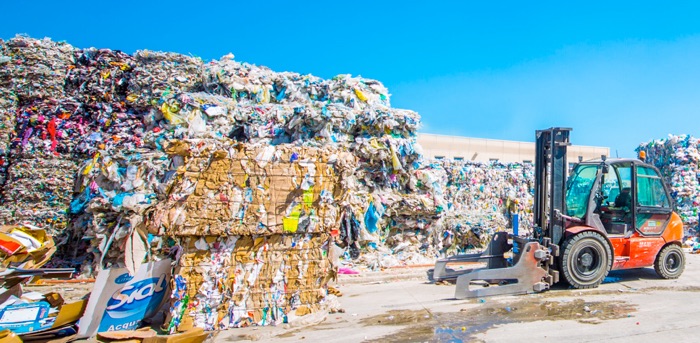 Because this is a structural crisis rather than a temporary shock, the tools available are limited. Storage facilities are constrained by strict permitting rules. Incinerators cannot be built in a matter of months. And landfills—politically toxic as they are—are not a viable fallback.
Meanwhile, capacity in other European countries, once a safety valve for Italian waste exports, is shrinking as the problem spreads across the continent.
A recent paper by Plastics Recyclers Europe (PRE) highlights the scale of the challenge and urges Brussels to act with urgency (read HERE). The association has also proposed four measures to address the root of the problem: establishing fair and enforceable market rules; tightening controls on imports; reducing energy costs for recycling firms; and harmonizing reporting requirements through EU-wide third-party certification.
But even if the political will existed, these measures would take time to implement. And in the meantime, the clock on this crisis keeps ticking.
© Polimerica - Reproduction prohibited, all rights reserved
